
A Bat That Passes for a Bird at One Time
And for a mouse at another
Boozhoo, indinawemaaganidog! Aaniin! That is to say hello, all of my relatives! Welcome to another edition of An Irritable Métis. As niibin begins to wind down, despite the recent arrival of wildfire smoke in the valley from various lightning-caused blazes around Missoula, it feels like everyone is gearing up for the arrival of dagwaagin. I know I am! But … did August even exist?! I was so focused on getting IndigiPalooza MT off the ground for most of July that everything since has been a blur. It’s hard to imagine it’s been more than three weeks since I delivered the last carload of magnificent spirits to the airport. What an experience that was.
Friends, before I continue, I’d be remiss if I don’t mention that the first big announcement post-inaugural IPFEST will go out probably later this week, early next. If you want to get on board with being first to know of such things, visit HERE and scroll to the bottom of the page to sign up for updates!
Meanwhile, your continued and generous support remains essential, particularly as new challenges present themselves. You have no idea how much the support I get from this newsletter via paid subscriptions means to me and how grateful I am. If you like what you read here, and if you’ve got a spare $50 to throw this way for the next year, or can even scrape off $5/month, it is eminently helpful and appreciated. There is a lot brewing for 2026 and I think things will get interesting in a hurry.

This week – tomorrow, in fact, as I write – I hit the road again in earnest. I will drive north and east with a slight detour to Choteau to visit my friends Al and Elaine Wiseman, then from there on to Glasgow, MT, where I’ll overnight in preparation for a full day on Thursday in Wolf Point on the Fort Peck Reservation. I’ll be there for two reasons. First is my initial school visit of the year1; I’ll be at Frontier School (Home of the Mustangs!) to visit a group of K-3rd graders, then a group of 6th-8th graders, and finally a group of 4th-5th graders. It seems like just a week ago I was rolling out of a school into a spring day thinking I wouldn’t have to be in one again for ages and suddenly, here I am. Imagine how teachers feel!
Then in the evening I’ll be at the Wolf Point Library for a Becoming Little Shell event. This one, in fact:

HERE is the link to the library’s Facebook page. Apparently this event is going to be livestreamed from there as well, which goes against pretty much every cell in my body these days, but sometimes one must bend a little to get along.2
I’ve been reading Dancing on Our Turtle's Back: Stories of Nishnaabeg Re-Creation, Resurgence, and a New Emergence by Leanne Betasamosake Simpson. In this book I’ve learned the word Zhaaganashiyaadizi. Simpson defines it as this:
“Zhaaganashiiyaadizi occurs when a person tries to live his or her life as a non-Native at the expense of being Nishnaabeg. In other words, they become assimilated. Zhaaganashiiyaadizi is a process by which choices are made to the detriment of being Nishnaabeg. The key is ‘at the expense of being Nishnaabeg,’ so one may adopt the ways of the non-Natives only to the extent that it does not negatively influence the core of one's being.”3
What it means is that with everything we do as Anishinaabe people, particularly as it relates to the rest of the world, we must think about whether or not the action brings us closer to the core of who we are as Anishinaabe people, or whether it works toward our assimilation. And like so many circumstances in Anishinaabe belief, it is very much an individual relationship. For example, I have a deep certainty that social media drives me more deeply into assimilation than just about anything else. The damage it’s done in the Little Shell community has been profound, what with all the untruths and lateral violence that is rampant in that space. This past week I became very frustrated that the only way I could know what was going on at the Little Shell powwow was if I could access the tribe’s Facebook page because that’s the only place we share news. I teetered on the brink of creating an “under the radar” account just for that purpose, but didn’t. I was reminded how terrible it is for me, and that for me to continue to try and live up to being the person I want to be – an effort that is largely a failure as often as not – I just can’t have a presence there.4
Meanwhile, my friend James Vukelich Kaagegaabaw has used social media as a tool to spread a lot of knowledge, wisdom, and beauty into the world. I admire him for that and wish I could be like him. But I can’t. And we remain steadfast champions of each other.
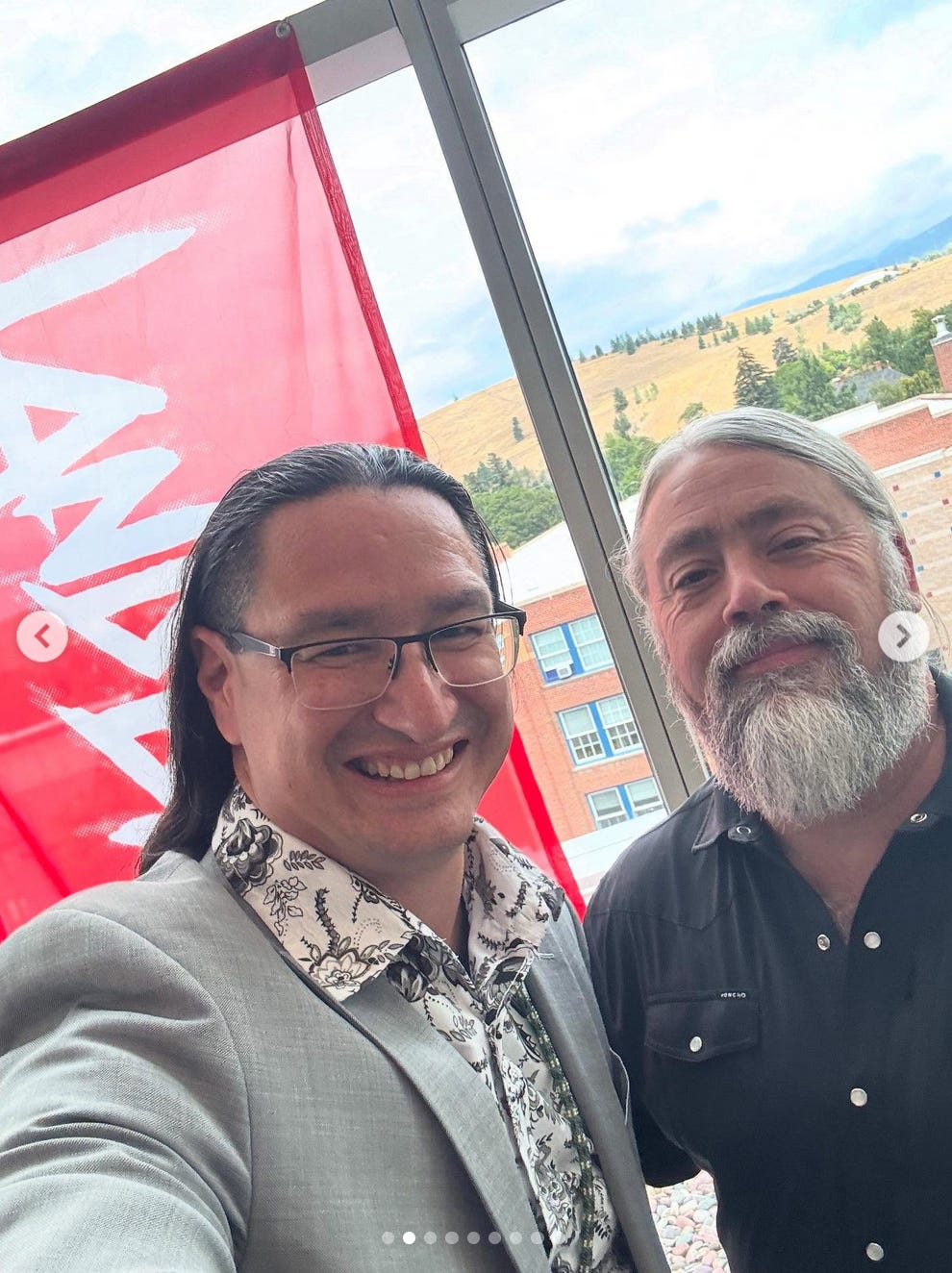
So I’ve been thinking hard about what it means to resist the mighty pull of assimilation as measured against the choices I make. Consider the actions of this upcoming trip, and the trips to follow, for example. It is all very complicated. All things considered I think book events are important because they give me an opportunity to tell the story of my people, our long game success in a specific act of resistance, and etc. That’s a big deal. I also find my own ideas challenged, which never hurts. And perhaps most importantly I am often brought in physical proximity of people who have had an opportunity to be moved by the experiences I share. That is priceless.
Visiting students is important for similar reasons. These are tiny actions but who knows what the result can be? I’m going to quote Simpson again in discussing these little acts of the Indigenous resistance that is flexed merely by showing up:
“From my perspective as a Nishnaabekwe5, whenever one throws a stone into the lake with intent, commitment and vision, the implicate order or spiritual world mobilizes to provide support and open doors. The emergent nature of Nishnaabeg mobilization, resistance and resurgence means that it is impossible to predict which stones will cascade through time and space, producing impacts, shifts, and transformations.”
In schools, in gatherings – even streamed ones, despite how they make my skin crawl when they are soaking up a live event – we never know who we are going to reach and how. There was a lot of that going on during the events at IPFEST last month. Getting together face to face, sharing our stories … that is where the future shines bright. I’m not going to give up on believing that. I’m going to give Leanne Betasamosake Simpson the final word here because this is beautiful:
Within the Dibaajimowinan6 of individuals and families, there is a wealth of oral stories and memories where all kinds of acts of hidden and not-so-hidden resistance have occurred throughout time. These acts or stories involve parents teaching their kids the language or a song, Mothers and Aunties working so hard to keep their children fed and cared for in the face of poverty, oppression and often violence, as well as individuals standing up for themselves or their loved ones in stores, government agencies, schools, hospitals, nursing homes, jails, courts, banks and doctors’ offices. Although these acts may not have catalyzed large-scale mobilizations, or perhaps even brought about discernable immediate change, nevertheless they have influenced Indigenous presence enough that the stories were passed along. These are acts of individuals throwing their stone in the water and they exist in every family. They are often humorous and always engaging. They are stories of survivance, as Vizenor7 would say.
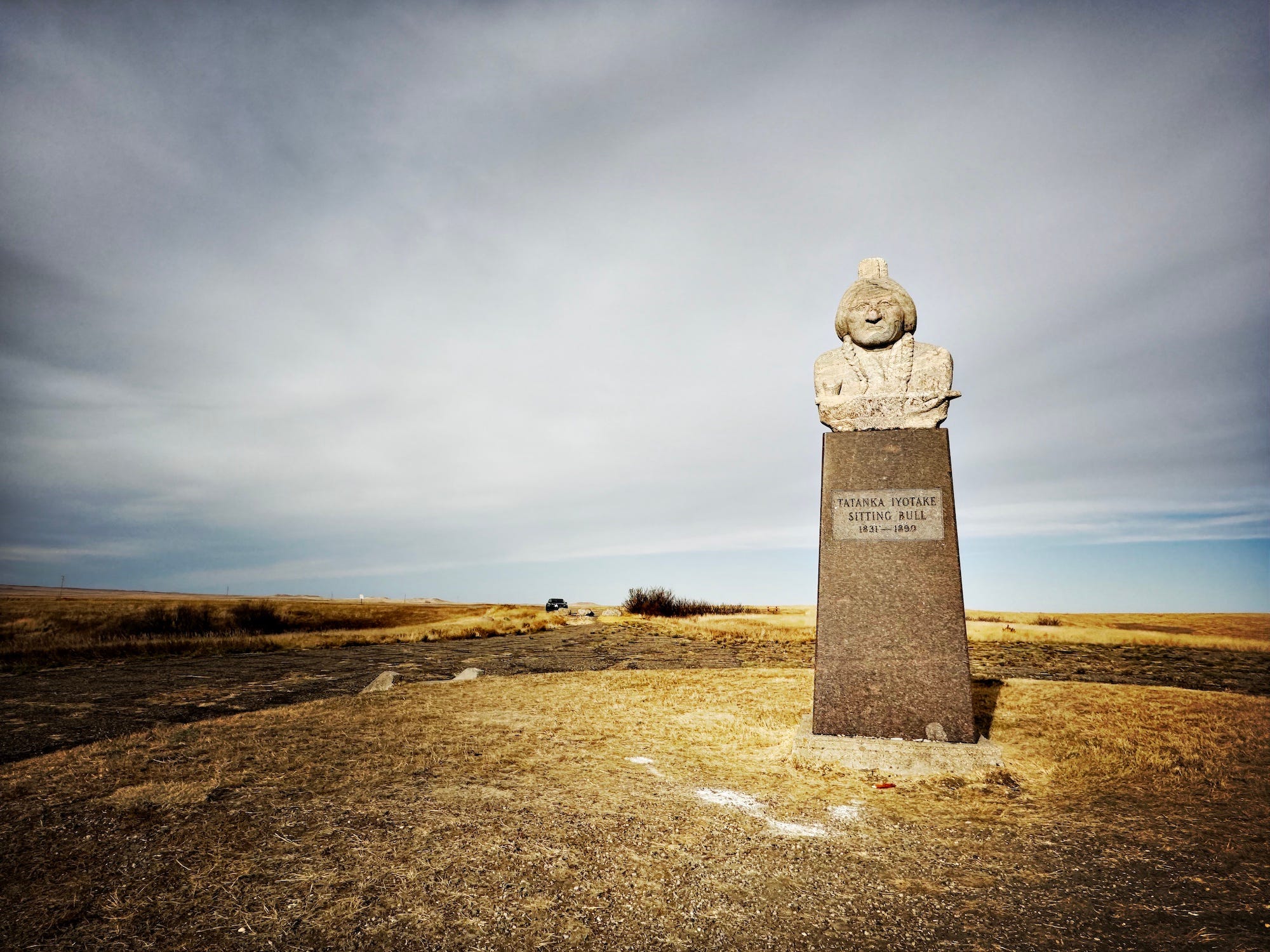
Pacific Northwest Events … and Beyond!
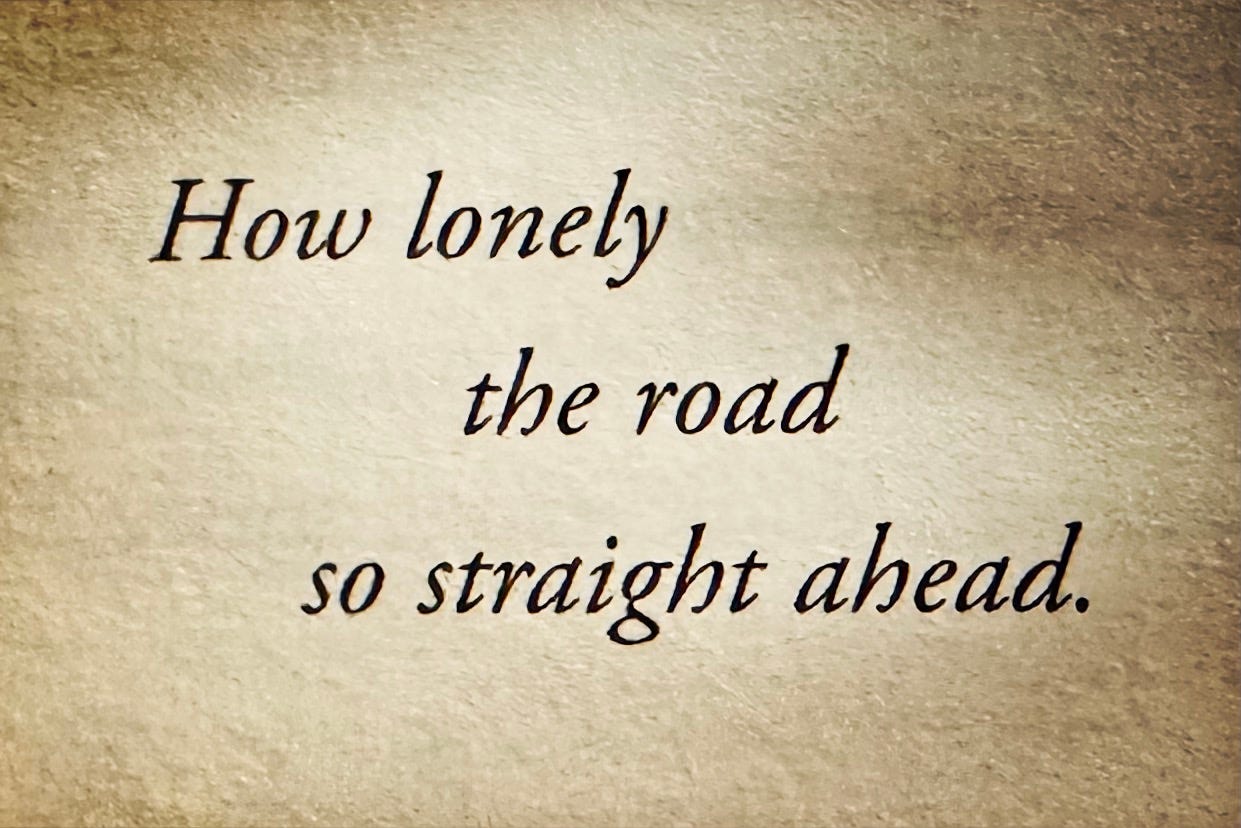
The haiku in this image comes from the book, The Life and Zen Haiku Poetry of Santōka Taneda, written by Sumita Oyama and translated by William Scott Wilson. It’s been on my nightstand for a few months and I read a little bit at a time here and there. The sentiment the haiku expresses isn’t often my experience, though I like it quite a bit. I don’t get lonely, per se, just a little mired in my own melodramas sometimes and they can be challenging to shake off. But I love the idea of the wandering poet – whether Bashō 300+ years ago8 or Santōka 90 years ago – just setting out aimlessly onto the road.9 My trips aren’t aimless. Someday perhaps the opportunity will come to make them so.
My Events page is largely up to date though there are some additional things under discussion. Most of these are related to the paperback tour for Becoming Little Shell but there’s also overlap with other things too. As for what is looming on the horizon, here they are. I hope to see many of you out on the road this fall!
2025_0902 – Portland Literary Arts, Portland, OR (6:00pm)
2025_0903 – Ridgecrest Books, Shoreline, WA (7:00pm)
2025_0904 – Third Place Books (Ravenna), Seattle, WA (7:00pm)
2025_0905 – Waucoma Bookshop, Hood River, OR (5:00pm)
2025_0906 – Rediscovered Books, Boise, ID (7:00pm)
2025_0909 – Books & Books, Coral Gables, FL (with Aaron John Curtis) (7:00pm)
2025_0913 – Mississippi Book Festival, Jackson, MS (4:00pm)
2025_0914 – Brooklyn Book Festival, Virtual (TBD)
2025_0924 – Lake Agassiz Regional Library, Moorhead, MN (6:00pm)
2025_0926 – South Dakota Book Festival, Spearfish, SD (10:15am and 4:00pm)
2025_0927 – Jackson Hole Book Festival, Jackson, WY (9:00am and 2:30pm)
2025_1001 – Left Bank Books, St. Louis, MO (with Sarah Kendzior) (6:00pm)
2025_1003-04 – Power of Words Conference, Kansas City, MO (TBD)
2025_1022 – The King’s English, Salt Lake City, UT (6:30pm)
2025_1023 – Utah Humanities Book Festival, Moab, UT (7:00pm)
2025_1106 – White Oak Books, Olympia, WA (7:00pm)
2025_1108 – Portland Book Festival, Portland, OR (TBD)
2025_1203 – Glacier Conversations, VIRTUAL (6:30pm)
Relevant links to RSVPs and the like may be found on my website.
“I've worn out my body in journeys that are as aimless as the winds and clouds, and expended my feelings on flowers and birds. But somehow I've been able to make a living this way, and so in the end, unskilled and talentless as I am, I give myself wholly to this one concern, poetry.”
— Matsuo Bashō, writing in a letter to a friend.
And Finally….
This is something of Bashō’s that I’ve referenced in just about every workshop I’ve ever led. I just love it so much and I don’t know that it lands with others like it does with me. I just love the idea of taking to the road, especially afoot, for no other reason than to see the full moon rise over a certain spot. This is the kind of interaction with a writer across time and space and culture that I believe is the true gift of storytelling, regardless of the form.
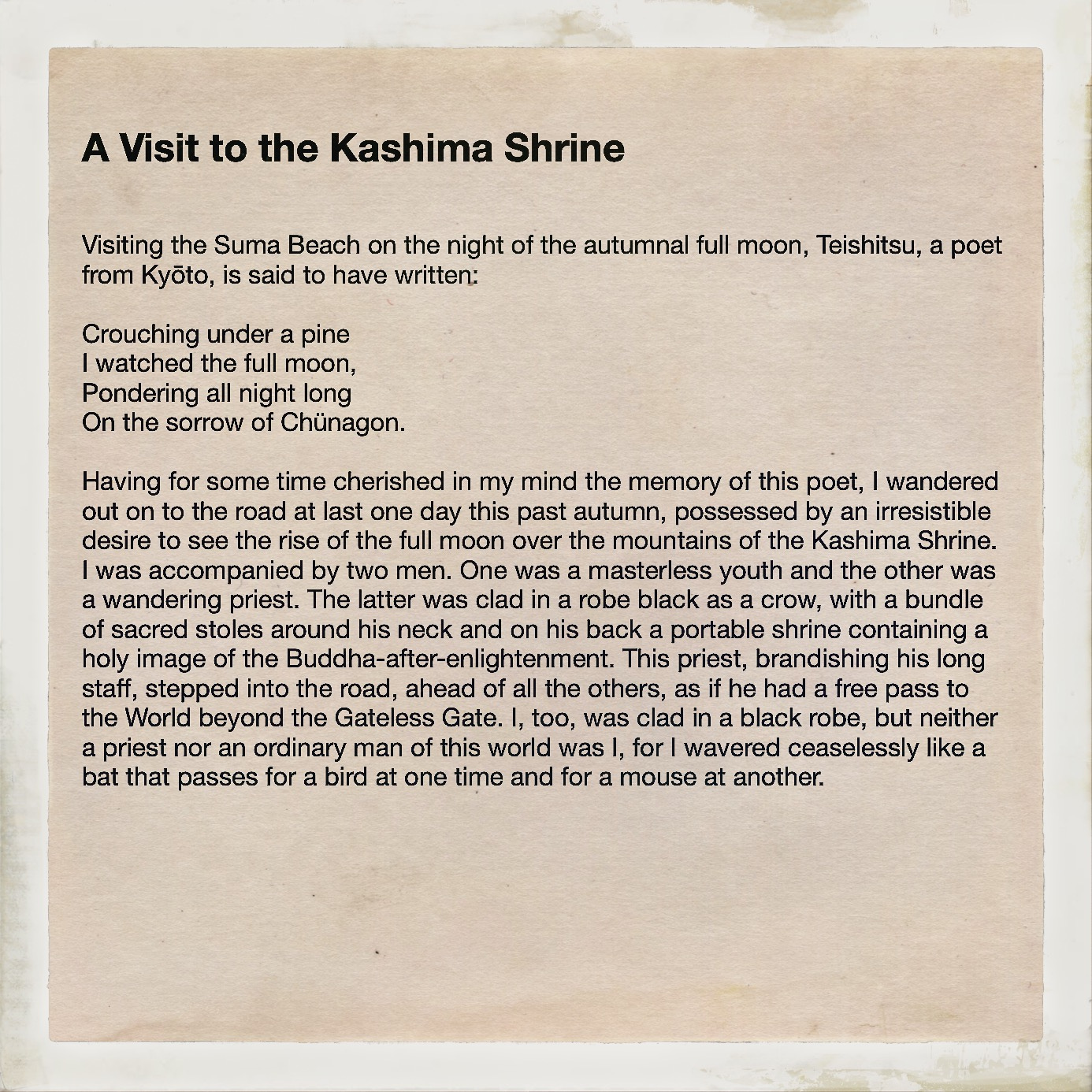
Miigwech, friends, for all of the support and the kind messages I always get with little time to respond to. I am very grateful to all of you. Here’s to crossing paths soon.
Potentially my last school visit as reigning poet laureate too, since my successor hasn’t been appointed yet.
This bending is not a reference to being “resilient.” That has become one of my least favorite words.
Additionally, “Zhaaganash” is the word Anishinaabek people use for white people.
More and more I struggle with having a Substack presence as well. Every few weeks I get an unsubscribe notice from someone saying they are doing so because Substack platforms nazis. That’s a personal choice people make and I respect them for it. I’ve chosen to remain because Substack still provides an opportunity to reach people I otherwise couldn’t, and I don’t engage in any of the other social media-like garbage Substack has added over the last couple years, so I know nothing of its algorithms or anything, and I’m oblivious to all the noise about it. I also know my taxes platform nazis. Every time I see the flag celebrated I see people choosing to ignore what that symbol inflicted on my ancestors. The list goes on. I’m not thrilled about being here. I’m also not thrilled about being forced to exist within this murderous capitalist culture. So I’m trying to figure out the best way to monkeywrench the entire ugly business.
Anishinaabe woman.
Individual stories, basically. Not big cultural stories, just the stories of the lived lives of spectacularly ordinary people.
Gerald Vizenor, Anishinaabe elder and scholar.
His "Record of a Travel-worn Satchel” was the inspiration for my second book, Descended from a Travel-worn Satchel, one that doesn’t get a lot of attention but that I love very, very much.
I’ve fallen out of love with many of the writers and poets that have been key to my early efforts as a writer, with the exception of many of these Japanese and Chinese poets. Especially the short stuff. It remains the work most likely to grab me without fail in ways that other poetry too often fails to.
"trying to figure out the best way to monkeywrench the entire ugly business" is what so much of life feels like, these days. Safe travels as they begin again!
“I’m not thrilled about being here. I’m also not thrilled about being forced to exist within this murderous capitalist culture. So I’m trying to figure out the best way to monkeywrench the entire ugly business.”
I hear that! The way I put it is “Substack has a Nazi problem because the United States has a Nazi problem.” (The other thing I did was—to the extent I post anything here anymore—to make all subscriptions to my newsletter free, so Substack gets no money from me to give illiberal clowns signing bonuses. But I recognize that the ability to cut off that income stream without looking back is a privilege on my part.)