
What Good Does It Do
To live and write
Boozhoo, indinawemaaganidog! Aaniin! That is to say hello, all of my relatives! Welcome to another edition of An Irritable Métis. We’re inside of a fortnight until Christmas and even less until the Solstice and we’ve had 50°+ temperatures for about a week here1 in the Old Mill District some distance west of Missoula, MT. That’s pretty unheard of for this time of year and of justified concern, especially for those of us who spend significant stretches of summertime dreaming of coordinating base layers and strapping snowshoes to our feet.2 There was a literal freaking robin in the tree outside my window this morning, one who clearly didn’t get the memo when the rest of his immediate relatives lit out for points south some weeks ago. I hope the little fella makes it through. I hope you all do too.
While on the paperback tour for Becoming Little Shell last summer3 I was poking around the shelves of Backstreet Beat4 on Bainbridge Island on one of those rare occasions where I spent two nights in the same hotel and had a little time one afternoon to enjoy where I was for a couple extra hours. I was in the “B” section of the poetry collection idly looking for something related to Bashō and, failing in that quest, stumbled instead across a copy of David Budbill’s Moment to Moment: Poems of a Mountain Recluse. I was pretty sure I already have it but I didn’t have it with me and I didn’t hesitate to pick it up. Back at my hotel with a little time to linger before the evening event I was able to get a good jump on reading it.
“I am a very simpleminded person. I write in a very plain way. I want to write poems that can be understood by just about anybody.”
— David Budbill
I feel a degree of kinship with David Budbill, though I never met him in person. My friend Leath Tonino did, though, and published a wonderful interview with him at Tricycle a few years ago which you may read HERE if you like. I love Budbill’s approach to writing and to living. It was comforting, if that’s even the correct word, to spend some time in his company; with his reflections on his home near Judevine Mountain in Vermont; on his reverence for the world, and his conflicting emotions related to social interactions, and the challenges of growing old. I could have easily remained indoors the rest of the night, my view of the urban immensity of Seattle just outside my window, and read the book in its entirety.
But this post isn’t about David Budbill; I mention him because stumbling across his book on an island in Washington was something of a life preserver to me at a time when I needed to reconnect back to something grounding and important to my day-to-day existence: the connection with – and especially the expression of such through writing – the important simplicity of a place among the wider, older than human world. And of living at a slower pace! Budbill was similar in that he craved that in his life too and found an artistic connection to the ancient Chinese poets who shared this existential need (and also wrote about it), something that I believe we all require and are largely drifting from. Being pulled from, more-like, by the determined and dedicated efforts of a myriad of soulless distractors. Budbill expressed his need for how he wanted to exist through his work and his poetry in the truest sense. As our mutual Japanese friend Bashō was quoted saying: “Real poetry is to lead a beautiful life. To live poetry is better than to write it.” My impression is that that was Budbill. Or at least who he tried to be.5
What a thing, to live a beautiful life. What an undertaking; what a challenge even in the trying with all of our human failings and frailties and a world doing its best to disconnect us from it.
EARLY AUTUMN

Since the wind carries
so many tender feelings
through the treetops—
I know it is autumn
in this deep mountain village.

— Saigyō (1118-1190)
One of Matsuo Bashō’s biggest influences was the wandering poet/monk Saigyō. That poem I’ve shared above comes from a great new book called Blossom Awakening: The Life and Poetry of Wandering Monk Saigyō. It is a recent release, just out last July. What is impressive – and transformational and transcendent and all the big words – is that that poem is more than 800 years old, and heart-stoppingly relevant even today. At least for some of us, those who notice things and listen to what the wider world is telling us.
In a section of Blossom Awakening called JOURNEY it begins:
In ancient Japan, most people were bound to their lands, workplaces, and homes; they rarely traveled far, except for journeys to important Shinto shrines and Buddhist temples for worship. On the other hand, as a wandering monk, Saigyō was free to visit famous sites of poetry and beautiful scenery. He was safe in his travels since he had no possessions. There were always temples where he could stay, and he begged for food wherever he was able. Without a map, he must have become lost many times, and since he did not necessarily understand local dialects, from time to time he may have struggled to communicate. There was also no assurance that people would be hospitable to a tired, shabby, traveling monk.
Almost a millennia later I feel kinship to Saigyō in this. There are similarities, and dissimilarities. For example, none of my “wandering” these last three years – which I’ve sought and truly been rewarded with! – has been afoot but it’s largely been in my car, where I am limited to what I am carrying within it. I haven’t stayed in any temples6 but I’ve been safe wherever I’d spent the night. I don’t think I’ve ever been lost either, not really, thanks to GPS and the like, which I both love and loathe for the convenience. Journeying, I’ve grown much more familiar with the lay of the land across a much vaster distance than at any point in my life and that is something I truly love. There has been a common language spoken everywhere I’ve gone but, like my fellow wandering poet, I’ve often struggled to understand others. That effort has been one of the highlights of all this time on the road as well. Finally and overwhelmingly and with few exceptions, people have been hospitable everywhere to this tired, shabby, traveling not-monk in his dusty car with the cracked windshield.
Let’s talk about the begging part, though. It strikes me that this newsletter is my bowl. I hold it out to you with every post and beseech you to keep me out there through your kind support.7 I don’t see it as any different from what the role these monks played in their communities. Sharing poems, sharing news, maybe bringing some uplift to sagging hearts now and then, and the return was perhaps some rice or lodging or a few coins and, in the case of some of my ancient mentors, the occasional home to live in for periods of healing and recharging.
At least I hope that is the tradition I am a descendant of, at least in part. In return I am supported by the community, and I have been, far beyond anything I imagined. This isn’t a side gig. This is my gig gig. And what I felt was a growing distance from the actual writing part of being a writer because it takes a lot of time and energy affording to be one. Just like anything else.
Not long after my Washington and Oregon leg I was in Mississippi for the Mississippi Book Festival. I had a fair amount of windshield time there too and spent a large chunk of it following the Mississippi Blues Trail. I thought of all the similarities between those groundbreaking musicians, driving and hitchhiking from gig to gig and facing racism everywhere they went, many living, for all the beauty, their own troubled lives steeped in broken hearts and violence and substance abuse, to the experiences of traveling monks and poets who were also often unwelcome where they went and left trails of broken hearts and struggled with mental health and substance abuse problems while planting seeds of beauty wherever they went too. Making and sharing art is not a “safe” undertaking and never has been but it could sure be made easier more often than it is
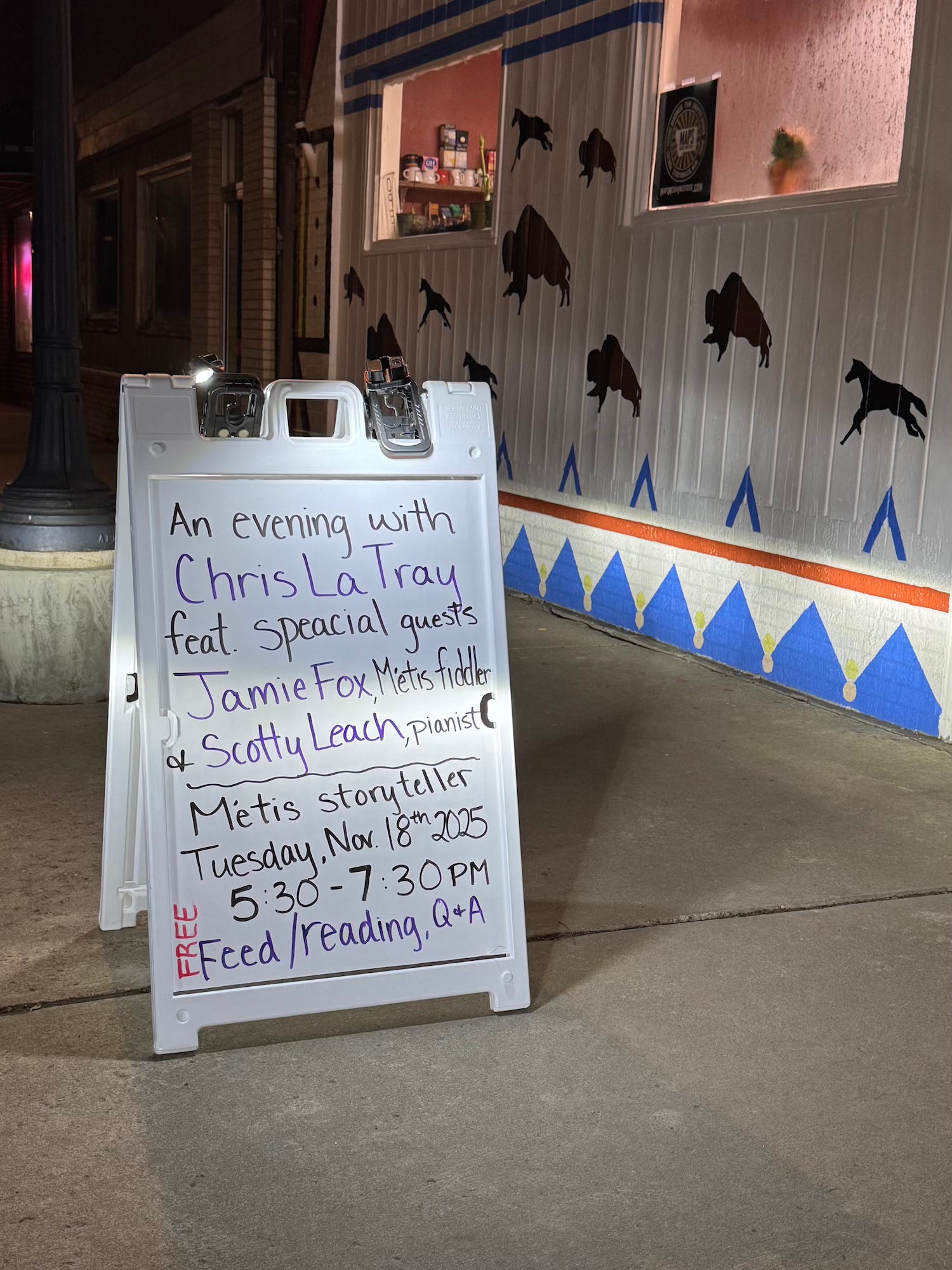
I think a lot about these traveling poets. The traveling musicians. The contemplative practice that is so foundational to how we live together in our communities. I’ve been missing the immersion in nature these poets devoted themselves to. The close proximity to the breath of the earth that fuels my own willingness to take on the challenges. Home now for the most part since Thanksgiving, taking the first real break in more than two years, I’ve been going on walks and going to the gym and enjoying more than ever before the extra time to take my morning coffee on my front porch. The gift of it. It’s so easy to take for granted! I also recognize that this time is fleeting, that to maintain access to the porch I soon have to return to the road, because that is where my living is made. I am fortunate and grateful … but I am also tired and happy for the break. Big things are on the horizon and while grateful for the time to gather myself, I’m also very eager to see them unfold.

And Now Some Announcements of Varying Degrees of Interest Depending On Who You Are and What Kind of Things You Are Into
(If it isn’t obvious, no, I don’t entirely happen to know what words are supposed to be capitalized in a title and which aren’t so I tend to just wing it.)
Native American Resistance for Everyone – Spring 2026
Friends, I’ve mentioned this previously but haven’t been hitting it hard … yet. This is one of those things on the immediate horizon and IT IS A BIG ONE.
In case you don’t know, this class will serve, like last year’s Native American Studies for Everyone class8, as the primary fundraiser for IndigiPalooza MT (IPFEST for short). It worked out great last year and we hope it does again this year. This new class, with direct ties to the 2026 edition of IndigiPalooza MT, built on the foundation of last year’s class9, begins the first week in February.
Please consider signing up! Your full donation will be used directly to fund the festival!
I’ve been helping out quite a bit lately arranging speakers to participate in weekly Q&A sessions – some live, some pre-recorded – that will be part of the curriculum. I don’t want to say too much about who are coming onboard yet10 but they are largely folks who will be at IPFEST and they are going to be fantastic.
PLEASE CHECK IT OUT AND SIGN UP!

Of Particular Interest to Irritable Bitterroot Valley Readers….
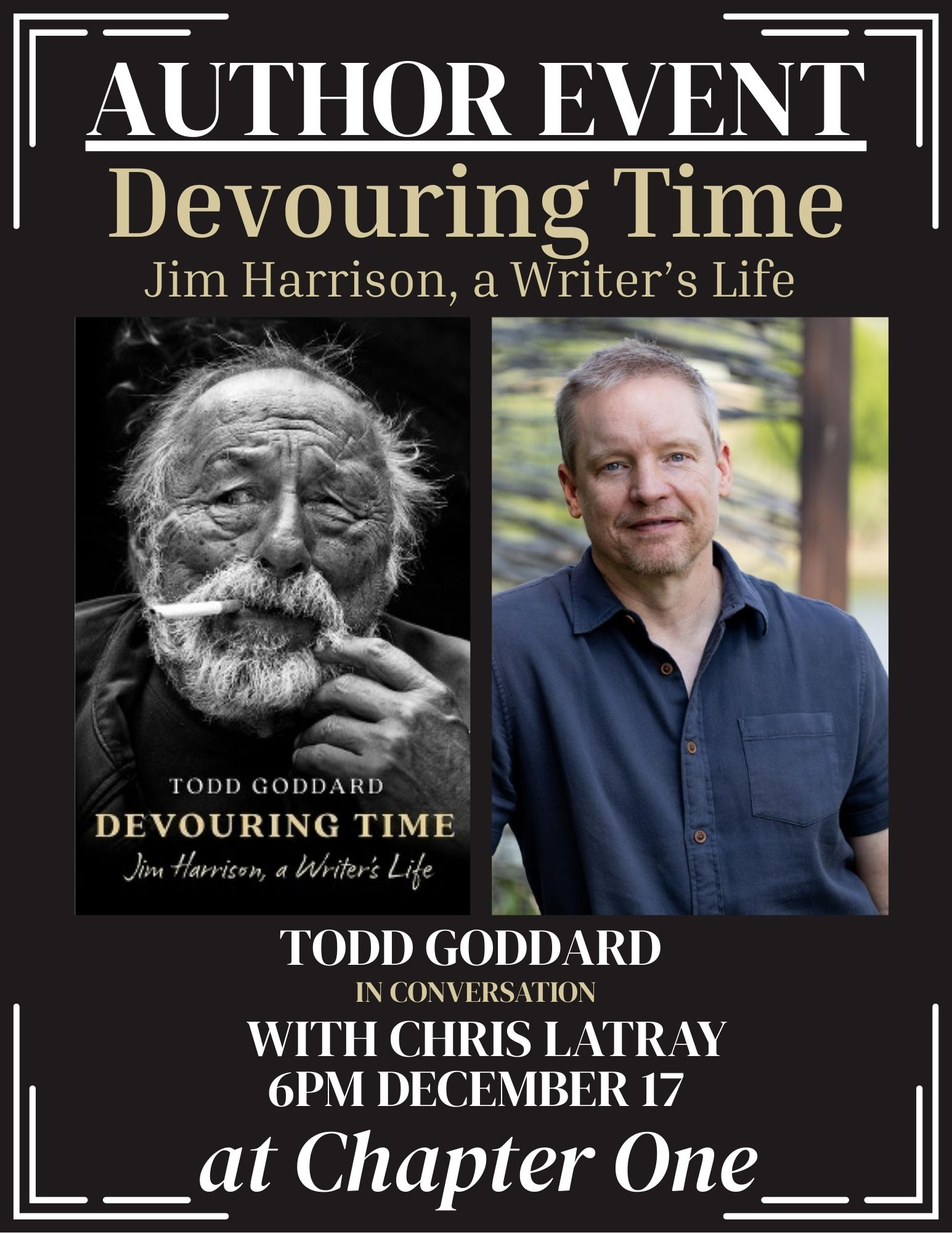
This coming Wednesday, December 17th, I’ll be joining author Todd Goddard to discuss his monumental biography, Devouring Time: Jim Harrison, a Writer’s Life. Harrison has played an enormous role in my emergence as a writer but not, and gratefully considering this book, as a role model. I met Goddard briefly last summer and we hoped for an opportunity to discuss his book together and now we’ll be able to. I have so many questions! I think this one will be worth your time to come hang out with us and I’d love to fill the place not just for the visiting writer but for my good friends at Chapter One Books. They are really doing a great job building a book loving community down there and I love it.
Of Particular Interest to Irritable Missoula Area Readers Who Are Inclined to Have Their Faces Melted on Occasion….
We unleashed an unintelligible wall of noise11 in Hamilton just days ago, which means: Two shows in two weeks?! Unprecedented in recent history, and my voice still hasn’t recovered from the last one! Of course I am talking about my band, American Falcon, playing with a band I don’t know as well as my son’s band, Swamp Ritual.12 Come out and ROCK with us! Mayhem is certain to ensue. Plus we could use the help hauling all of our gear up and down the stairs at Monk’s.

And Finally….
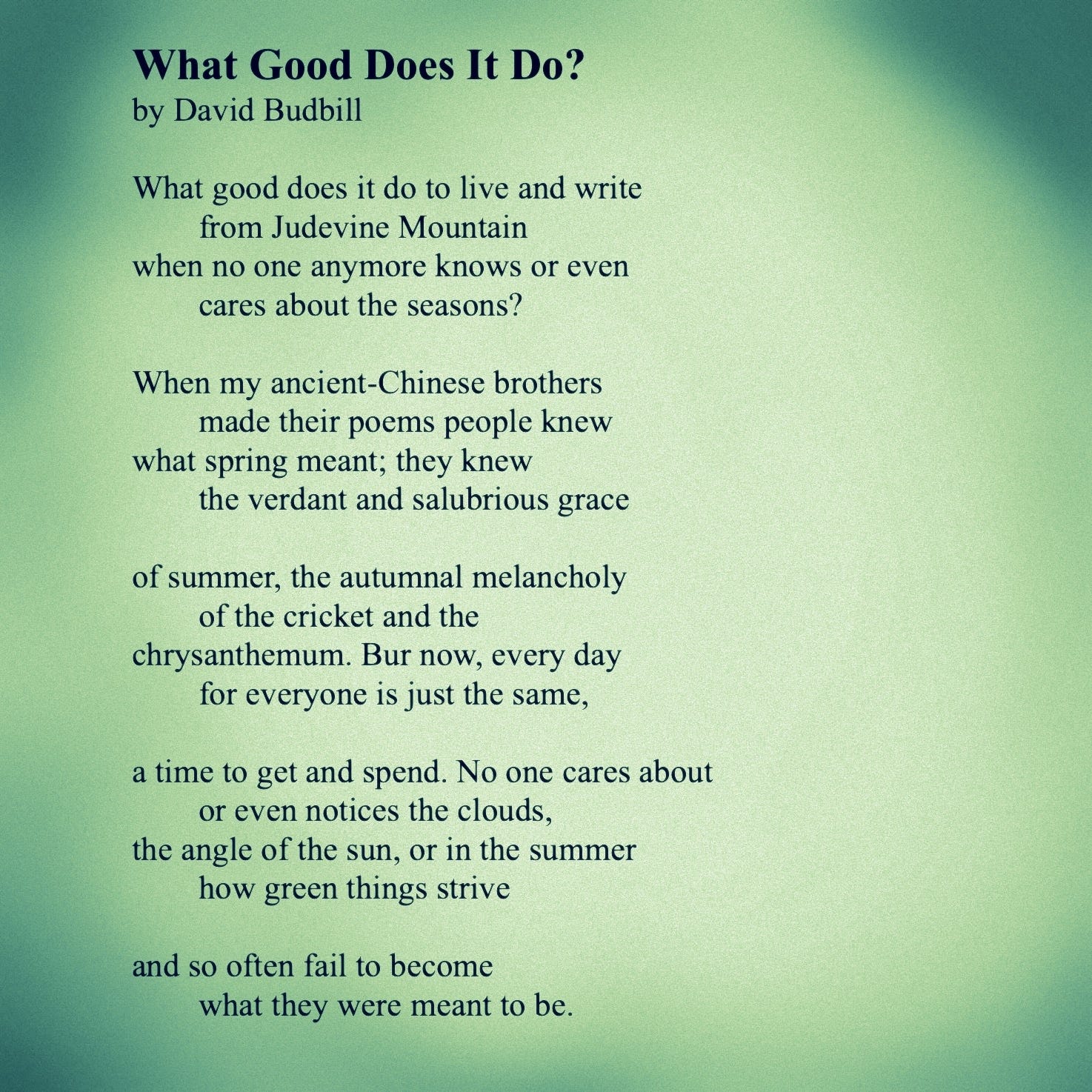
The poem that inspired the title of this newsletter, from Moment to Moment: Poems of a Mountain Recluse.
To answer the question posed by the poem, I think it does ALL the good. Because if I’ve learned anything from the road, and from six years writing this newsletter, it’s that many people do notice, and do care, and that makes it all worth it. If we are failing at anything, it’s in reminding each other often enough that we do care. That’s an easy problem to solve.
Though it was proceeded by some weeks of colder temperatures and even a small layer of snow that didn’t last.
Not to mention those people who spend this time of year dreaming of the snow pack that will provide deep, cold water for our trout relatives through the summer. Put me in both camps.
People often ask, “When is the tour over?” My take is that if one has a book out, the tour is never over.
A cool little vinyl and used books shop just off the main sidewalk downtown which I urge anyone who happens to find their way there to visit.
I have to admit that I often feel resentment to guys like Budbill too, these white students of Zen. It’s always earnest white people, mostly guys but women too, who discover Eastern religions and philosophies and then after six months of thinking about them and reading a few books determine to tell the rest of us how we should live. What bums me out is certainly there are ancient traditions from Indigenous contemplatives right here on Turtle Island and it’s impossible to walk into a bookstore and find shelf after shelf of perspectives from them. This is me griping. This is me narrowing down what I’m going to devote the few remaining years of my life to: not telling people how they should live, but trying to track down how *I* want to, and hopefully sharing that with interested people.
I’ve got a mountain of Holiday Inn Express points which gives me plenty of authority to report: they are NOT temples.
And here I go again! I’ve acquired an extra ten copies of this beautiful small calendar highlighting one of my favorite places I’ve encountered yet to do workshops and readings. The first ten people to sign up for a yearly paid subscription to this newsletter, or gift one, will be the happy recipient of a calendar, if you are inclined to share your mailing address with me.
Friends, a six-week FLASH! version of this class just launched this week. I bet if you contact Chickadee you could still get on board if you’re interested. It’s a great class.
Friends, a six-week FLASH! version of this class just launched this week. I bet if you contact Chickadee you could still get on board if you’re interested. It’s a great class. And yes, this is a repeat of the previous footnote. IT’S THAT IMPORTANT!
*cough* Wab Rice *cough*, *cough* Rebecca Nagle *cough*, *cough* Robin Wall Kimmerer *cough*, *cough* Toastie Oaster *cough* … and others!
At least that was my impression from the stage, where all I could hear was marginally in tune, give or take, distortion and the barest trace of my own beleaguered voice faintly howling from somewhere way off in the distance. That is what it sounds like to a singer when the stage volume is uncompromisingly high and the monitors are essentially nonexistent. The kick drum was literally two fee away from me and I couldn’t hear it either. Oof. I’m pretty sure we sounded awful to everyone else but they were kind enough not to say so.
Usually I lean on these little fellas to set shows up and then let us play with them, but this time WE set up the show. Also essentially unprecedented.
Love the Budbill! Though when he says “no one,”I want to say, “But Bud Bill, I was out with the clouds and gulls and crows today, and the wind was bringing in a storm, and the mallards settled in with teal and gadwalls, and the dark sifted in, and kids were getting in their last swings on the sets. We cared about the coming of night and rain. At least that.” Awesome, all your touring. Being heard. Being read.
Have to say: the porch photo, really rockin' the "old man pants" there!